Why Hiring a Professional Plumber Can Save You Time and Money
Employing a professional plumber provides substantial value for property owners. Their expertise facilitates rapid detection of problems, keeping small problems from worsening. Furthermore, professional plumbing specialists use specialized tools that ensure accuracy and adherence to local standards. This adherence not only shields check now from potential fines but also minimizes future repair costs. Appreciating these benefits raises important questions about the dangers associated with DIY work and how to select the right specialist for the job.
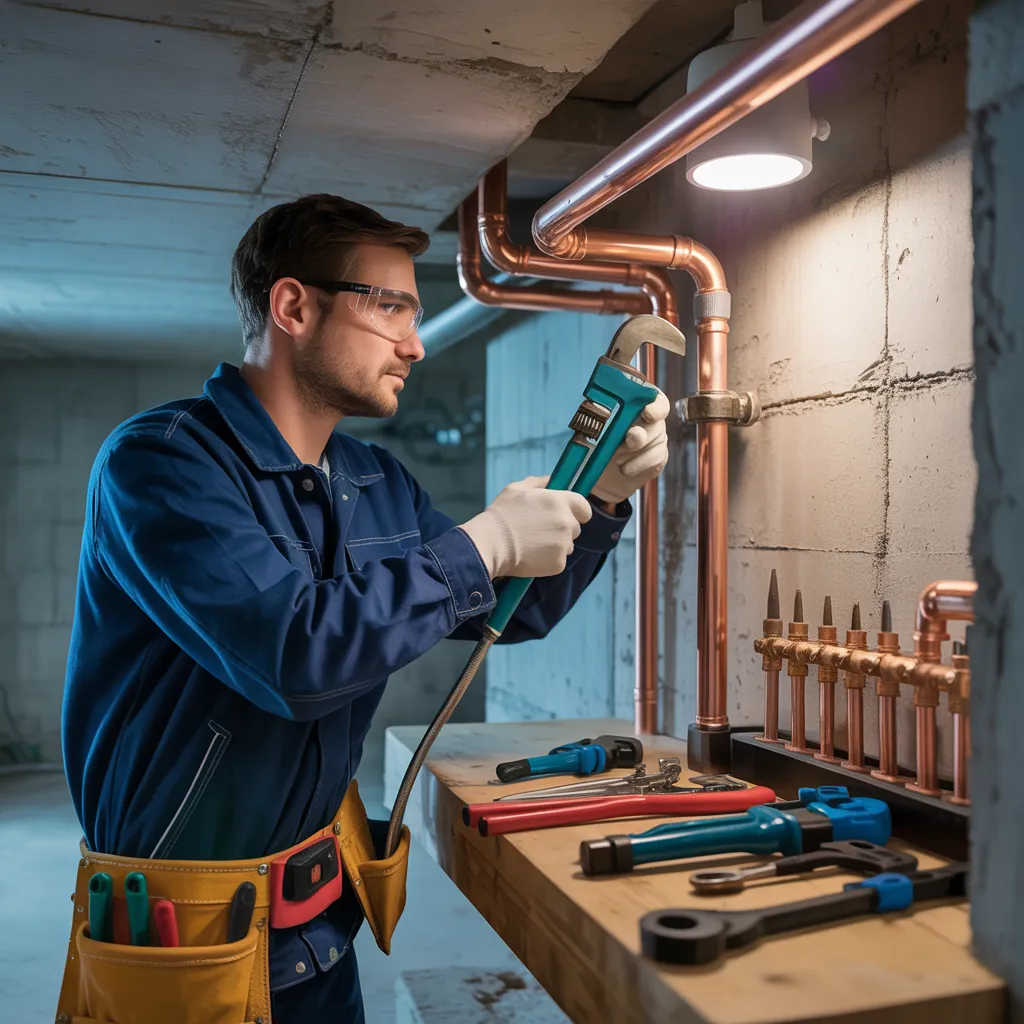
Popular DIY Plumbing Missteps to Watch Out For
Numerous homeowners tend to overlook the complexities of plumbing, causing frequent DIY errors. A typical oversight is the incorrect use of tools, which can compromise plumbing components. Many also neglect to turn off the water supply before initiating repairs, leading to flooding and additional complications. Underestimating the extent of leaks often leads to temporary fixes that fall short, creating more significant issues over time.
Another frequent mistake is using the wrong sealants or adhesives, which can degrade under pressure or temperature changes. Many homeowners tend to ignore local plumbing codes, leading to possible fines or dangerous installations. In addition, not thoroughly diagnosing the problem can cause ineffective repair attempts, wasting both time and money. Quite often, these errors could readily be prevented by hiring a qualified professional plumber, who has the expertise and understanding to address plumbing issues effectively and efficiently from the start.
The Hidden Costs of DIY Plumbing Repairs
Although DIY plumbing repairs might appear budget-friendly at first, homeowners frequently fail to consider concealed costs that can emerge during these endeavors. To begin with, acquiring equipment and materials can accumulate into significant costs, particularly when specialized tools are needed. These financial burdens may be compounded if the homeowner is forced to acquire supplies multiple times due to incorrect sizing or planning mistakes.
Moreover, numerous DIY repairs can unexpectedly result in further damage, driving up repair costs. For example, an improperly fixed leak might cause water damage, mold growth, or structural issues that require professional intervention. Homeowners may also encounter time losses, as inexperienced individuals might spend substantially longer on repairs than expected.
Additionally, the failure to provide warranties or guarantees on DIY work can result in future expenses if issues arise again. All things considered, what starts as a economical solution can transform into a expensive undertaking, making hiring a professional plumber a smarter decision in the end.
Quick Diagnosis by Professional Plumbers
Experienced plumbing professionals bring a wealth of expertise in quickly detecting plumbing problems. Utilizing advanced diagnostic tools, they can effectively identify concerns that might go unnoticed by non-professionals. This proficiency not only conserves time but also prevents unnecessary deterioration, guaranteeing a more thorough repair procedure.
Expertise in Identifying Issues
When faced with plumbing issues, homeowners often find themselves overwhelmed by the complexity of the issues they face. Professional plumbers possess the expertise to quickly identify underlying issues that may not be obvious at first glance. Their comprehensive education and field experience allow them to recognize patterns and symptoms, enabling them to differentiate between minor inconveniences and significant threats to the household plumbing network. This expertise eliminates the speculation involved in diagnosing problems, ensuring that the right solutions are applied without delay. By correctly diagnosing problems, professional plumbers can stop further deterioration and expensive fixes, ultimately benefiting homeowners in terms of time and cost. Their professional insight is invaluable in navigating through the often-confusing world of plumbing challenges.
Advanced Diagnostic Instruments
Employing state-of-the-art diagnostic tools, plumbing professionals can rapidly identify and resolve plumbing challenges with precision. These tools, such as video inspection cameras and electronic leak detectors, help technicians to detect problems obscured behind walls or lying underground. By giving a thorough perspective of pipes and plumbing networks, they minimize the uncertainty often connected to plumbing repairs. This technology not only facilitates quicker diagnoses but also reduces the requirement for invasive procedures, allowing homeowners to conserve time and resources. Additionally, modern diagnostic equipment help plumbers produce thorough documentation, facilitating educated choices regarding upkeep and repairs. Ultimately, trusting in these advanced solutions improves the productivity and performance of plumbing services, ensuring issues are resolved promptly and accurately.
How Professional Tools Improve Plumbing Repairs
Although many homeowners may attempt DIY plumbing repairs, employing professional-grade tools greatly boosts the effectiveness and precision of plumbing work. Expert plumbers employ advanced equipment like pipe inspection cameras, enabling thorough examination of concealed problems inside pipes. This functionality supports exact problem diagnosis, lowering the chances of costly repair mistakes.
Furthermore, devices like hydraulic drain cleaning equipment and trenchless technology can speed up restoration work that would typically take considerable time to complete. These technological developments minimize harm to your property and ensure that repairs are completed swiftly. Professional-grade fittings and wrenches also guarantee a secure and lasting connection, preventing future leaks that could result from substandard DIY efforts.
Moreover, the correct instruments assure compliance with professional standards, granting homeowners peace of mind. By leveraging advanced equipment, skilled plumbers offer superior repairs that not only cut down on time but also minimize long-term costs stemming from plumbing problems.
The Reasons Plumbing Codes Are Essential for Your Safety?
Following plumbing codes is essential for maintaining safety and functionality in all plumbing systems. These codes are created to minimize dangers connected to plumbing installations, tackling potential issues such as leaks, water contamination, and structural damage. Following these regulations guarantees that materials and methods used in plumbing are proven and tested for safety.
When plumbing regulations are adhered to, the chances of costly fixes and health problems reduce substantially. As an illustration, poor drainage can result in standing water, promoting mold proliferation and presenting health dangers. Additionally, standards necessitate appropriate venting systems to eliminate hazardous gas buildup.
Engaging a professional plumber who is familiar with these codes certifies that installations are carried out correctly, minimizing the risk of hazardous conditions. Ultimately, adherence to plumbing codes not only preserves the soundness of the plumbing system but also protects the health of occupants, making it a vital aspect of any plumbing endeavor.
How Professional Plumbing Saves You Time
Professional plumbers bring experience that empowers them to quickly diagnose issues that may take a homeowner hours or days to identify. Their efficient repair solutions not only address the problem effectively but also minimize downtime, facilitating a rapid return to normal household operations. By trusting qualified experts, homeowners can preserve precious time and sidestep the aggravation of unsuccessful repair attempts.
Professional Problem Diagnosis
Diagnosing plumbing concerns can be a difficult endeavor for homeowners, frequently resulting in avoidable setbacks and expensive errors. Expert plumbers have the ability to effectively pinpoint concerns rapidly. Their education and expertise empower them to recognize signs and symptoms that might go unnoticed by an inexperienced individual. With the aid of professional tools and strategies, they can identify the underlying source of problems, such as blockages or pipe failures, as opposed to simply resolving visible indicators. This expert problem diagnosis not only saves time but also prevents further damage, which can escalate repair costs. Homeowners can trust that a skilled plumbing specialist will assess the situation thoroughly, offering reassurance and guaranteeing that the plumbing system functions optimally.
Expert Repair Solutions
When plumbing problems occur, quick and thorough repairs are necessary to minimize disruption in daily life. Skilled plumbers have the knowledge to rapidly diagnose issues and apply fixes. Their training allows them to tackle challenging problems that might confuse an inexperienced person. By using specialized tools and techniques, they can frequently address plumbing concerns much faster compared to what an inexperienced individual might require. This effectiveness not only reestablishes routine but also prevents minor issues from escalating into costly repairs. Moreover, expert plumbers follow established safety protocols, lowering the likelihood of subsequent damage or harm. Ultimately, employing a professional confirms that plumbing issues are addressed efficiently and thoroughly, preserving important time and money.
Guidelines for Choosing the Right Plumber
Locating the right plumber can greatly affect the quality and cost of home maintenance, especially when plumbing problems develop unexpectedly. To achieve a successful hiring process, property owners should initiate the process by investigating local plumbers. Digital reviews and endorsements from family or friends can provide valuable insights.
Moreover, it is important to look into proper licensing and insurance. A qualified plumber should maintain the proper licenses and maintain coverage to safeguard against potential issues. Moreover, gathering multiple estimates can assist homeowners in comparing evaluate pricing and offerings.
Effective communication is equally important; a good plumber should be willing to explain the problem and proposed solutions clearly. Finally, ask for references to gauge their reliability and workmanship. By applying these guidelines, homeowners are able to carefully choose a plumber who satisfies their requirements and ensures high-quality repairs, effectively saving both time and money.
Questions We Often Receive
How Do I Determine if My Plumbing Issue Requires Immediate Attention?
A plumbing problem is considered urgent when it includes significant leaks, sewage backup, or loss of water pressure. Prompt attention is necessary so as to eliminate more extensive damage, escalating repair costs, and serious health concerns linked to unresolved problems.
What Qualifications Should a Professional Plumber Have?
An expert plumber should possess necessary certifications, licenses, and in-depth training. They must also possess knowledge of diverse plumbing systems, awareness of local regulations and codes, and the competence to address challenges effectively, delivering high-quality service to all customers.
Can Online Reviews Be Trusted When Picking a Plumber?
Online reviews are capable of delivering meaningful insights about a plumber's trustworthiness and standard of work. However, one should approach them with caution, considering potential biases and the overall volume of reviews for a balanced perspective.
How Long Can You Expect a Common Plumbing Repair to Take?
An average plumbing fix typically requires anywhere from one to three hours, subject to the complexity of the repair. Elements including accessibility, type of repair, and necessary materials can have a considerable impact on the overall time required.
What Are the Most Common Indicators of Plumbing Issues in My Home?
Typical indicators of plumbing problems consist of slow drains, water stains on ceilings or walls, unusual noises from pipes, fluctuating water pressure, and persistent odors. Detecting these indicators at an early stage can reduce the risk of extensive damage and high repair costs.